By MattressDealsOnline Editorial · Updated September 2026 · 5 mattresses ranked
A supportive mattress controls pelvic depth while filling the lumbar curve instead of bridging across it. That single fact decides most of this ranking, and it is why the five
mattresses below do not come out in the order you would get from choosing the hardest available surface.
How we ranked: every mattress is scored 0 to 100 on the same ten attributes. For
back support, support and durability carry the most weight, with pressure relief, responsiveness behind them,
and each bed is scored on how close it lands to the firmness target, not on being firmest.
Target firmness for back support
1 · Plush5-6 · Medium10 · Extra firm
Disclosure: we earn a commission on purchases made through links on this page.
It does not affect the ranking, which is computed from the attribute weighting shown in
full further down.
#1 · Best Mattress Overall for Back Support
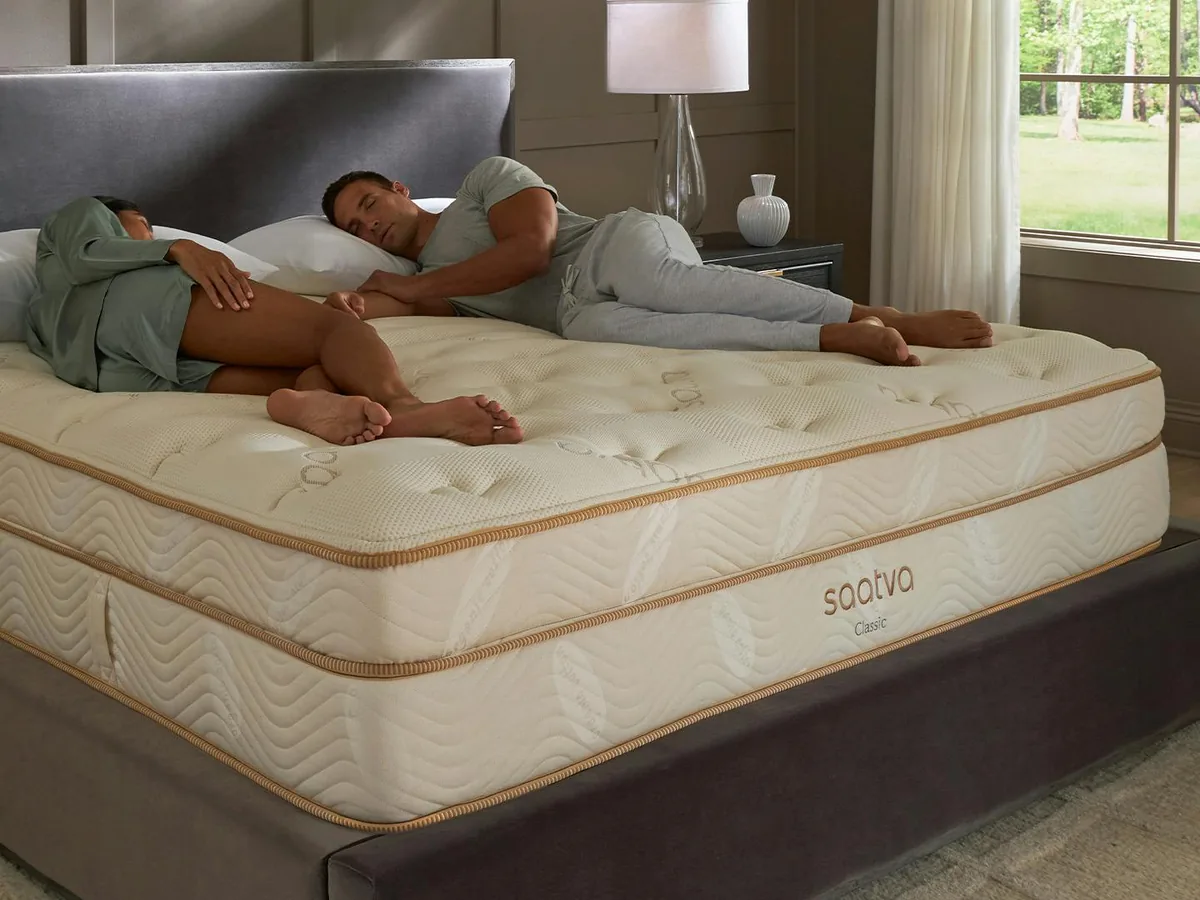
Saatva Classic
87.9/100
Scored against the weighting this page uses, the Saatva Classic comes out at 87.9.
It takes the top spot on support (90/100) and durability (88/100),
which are exactly the attributes that carry the most weight for back support.
At 6 out of 10 it also lands within
0.3 of a point of the 6.3 target.
Its strongest showing here is support at 82/100.
It has no real weakness against this weighting. It gives up ground across several
attributes instead of failing on one.
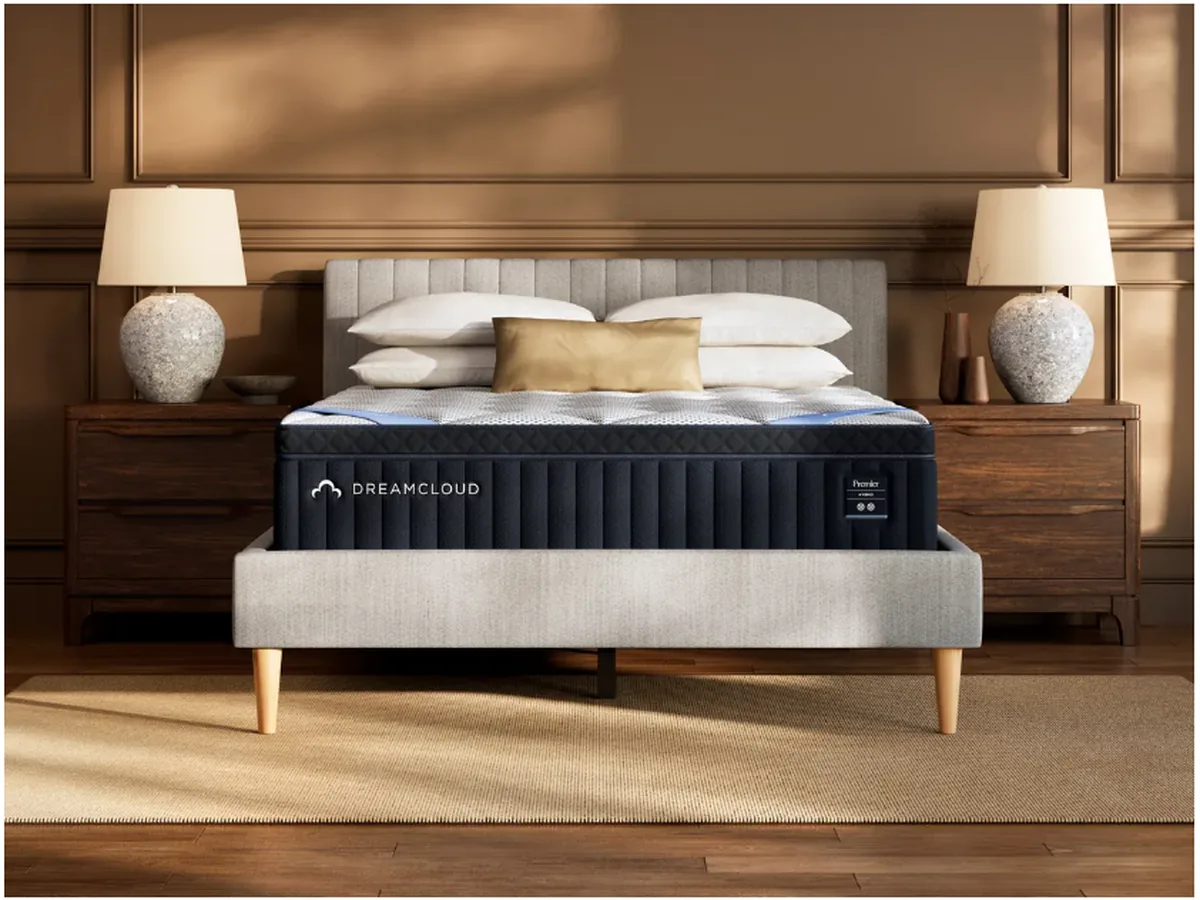
Its strongest showing here is support at 72/100.
What holds it below the Saatva Classic is responsiveness, where it scores
35/100 against a weighting that cares about it.
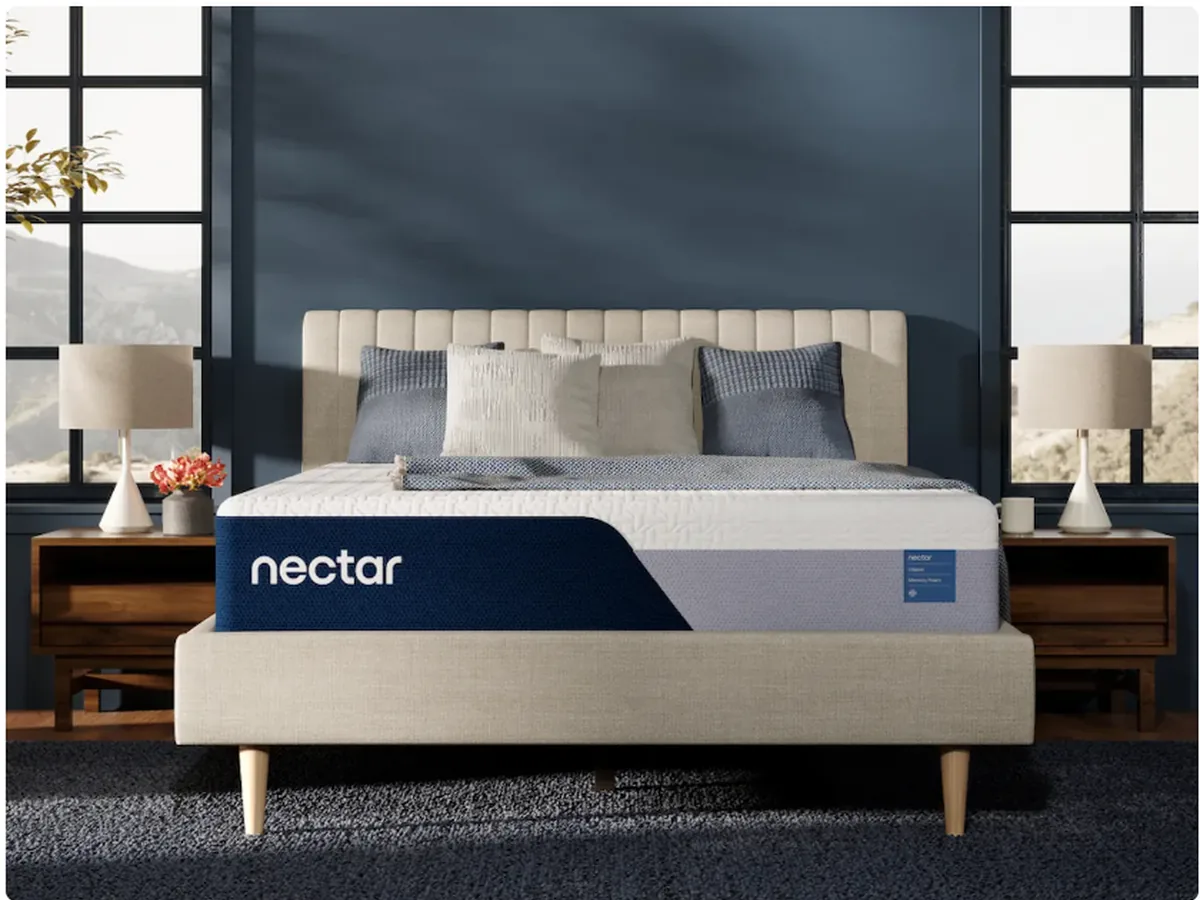
Its strongest showing here is support at 65/100.
What holds it below the Saatva Classic is responsiveness, where it scores
40/100 against a weighting that cares about it.
1 · Plush5-6 · Medium10 · Extra firm
Ring marks the 6.3 target for back support
Support
65
Durability
70
Pressure relief
90
Responsiveness
40
Type: Foam
Queen price: $1,049
Trial: 365 nights
Warranty: Lifetime
Strong: pressure reliefStrong: motion isolationStrong: 365-night trialWeak: coolingWeak: edge support
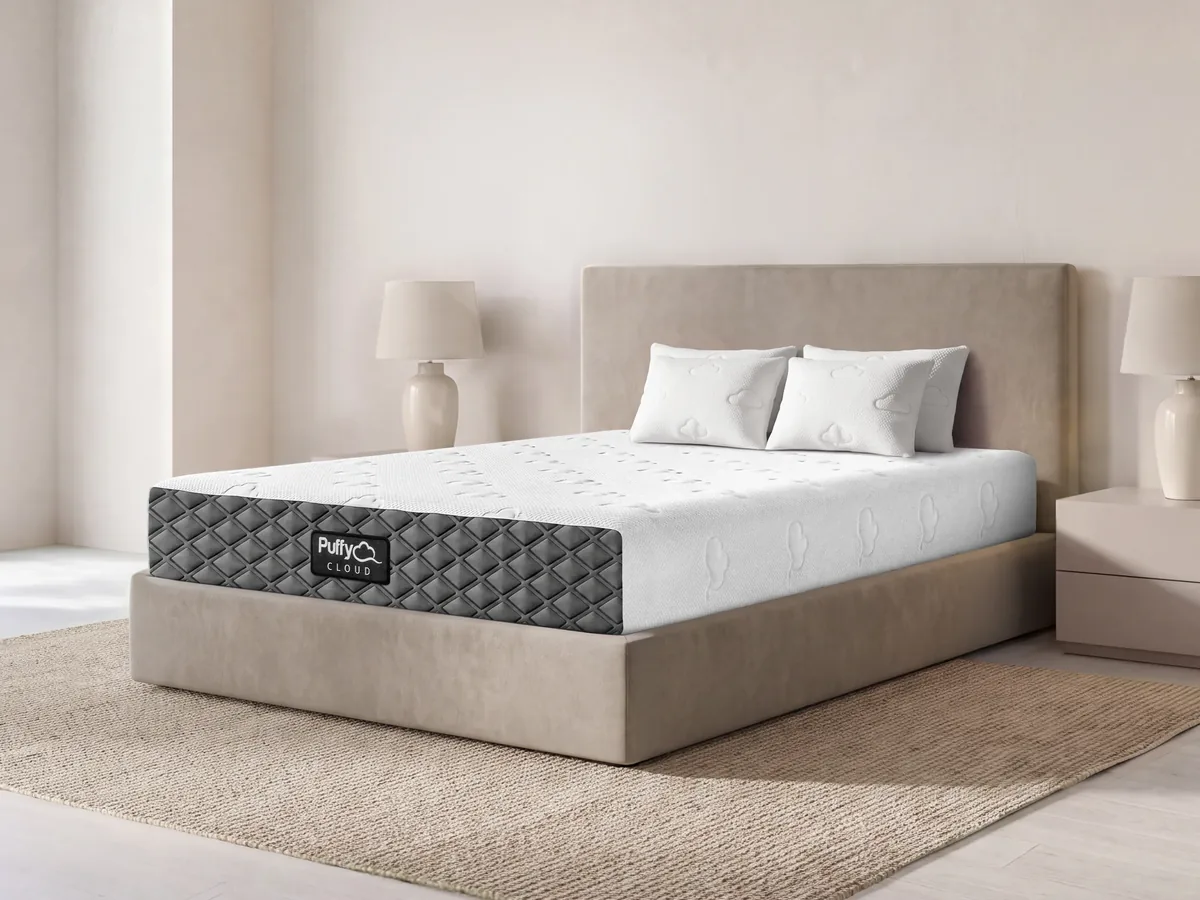
Its strongest showing here is support at 62/100.
What holds it below the Saatva Classic is responsiveness, where it scores
38/100 against a weighting that cares about it.
1 · Plush5-6 · Medium10 · Extra firm
Ring marks the 6.3 target for back support
Support
62
Durability
58
Pressure relief
82
Responsiveness
38
Type: Memory foam
Queen price: $499
Trial: 100 nights
Warranty: 10 year
Strong: valueStrong: coolingStrong: motion isolationStrong: under $800Weak: edge supportWeak: responsiveness
Every mattress here is scored 0 to 100 on the same ten attributes. What changes between
one page on this site and the next is how much each attribute counts. For back support,
the weighting is:
SupportSpinal alignment under load
×5
DurabilityExpected structural life
×4
Firmness0 = plush, 100 = very firm
×3
Pressure reliefContouring at hip and shoulder
×2
ResponsivenessBounce and ease of repositioning
×1
Firmness is target-scored. It is not more-is-better. For back support the target is
6.3 out of 10 and each mattress is scored on how close it lands to that,
which is why a very firm model does not automatically win.
What back support physically means
Back support is the mattress holding each spinal curve near its resting shape under body weight. It is not the same as surface hardness. The pelvis needs enough resistance to avoid dropping, the lumbar hollow needs material rising into it, and the shoulder area needs enough give to avoid levering the upper spine upward.
A flat, rigid bed can leave large parts of the back untouched and still feel extremely firm.
How local sink pulls the spine out of shape
Support fails locally before it fails everywhere. A softened middle lets the pelvis descend, flattening the lumbar curve on the back and bowing the waist on the side. A top that is too rigid creates a bridge from shoulder blades to buttocks, leaving the lower back suspended.
Both patterns make the muscles hold a position the mattress should carry. The right bed spreads load while limiting how far the heaviest section travels.
Construction that carries the spinal curves
Separate the comfort layer from the support core
The upper layer spreads contact and fills shallow curves. The core stops the body at the intended depth. Asking one material to do both usually produces either a hard bridge or a deep sag. Two to three inches of conforming foam or latex over a resistant core suits many back sleepers.
Side sleepers may need more shoulder depth, while stomach sleepers need less. Judge the layers as a system. A soft top can be supportive over a strong transition layer, and a firm top can hide a weak base for the first few minutes.
Look for resistance under the middle third
The pelvis is usually the heaviest section, so uniform construction lets it travel farther than the ribcage. Center zoning counters that with thicker wire, tighter coil spacing, or denser foam beneath the hips and lumbar area. In hybrids, 13.5 to 14 gauge coils through the middle are a useful firm reference, with thinner wire permitted under the shoulder.
The zone must meet your body, not merely appear on a diagram. Short and tall sleepers should lie down and confirm that the reinforced band sits beneath the pelvis.
A transition layer catches the pelvis gradually
A one to two inch transition layer prevents the body from falling through a soft top into the core. It should feel firmer than the comfort foam and recover without keeping a hollow. Polyfoam around 1.8 lb/ft³ or denser is a useful disclosed specification.
Without this middle step, a mattress can feel cushioned at first and abruptly hard beneath the shoulder, while the heavier pelvis pushes deeper. Gradual resistance is what lets the lumbar curve remain supported without turning the surface into a board.
The foundation can erase good support
Wide slat gaps, a bowed platform, or a weakened box foundation allow the mattress to deflect beneath the hips. That produces the same pelvic drop as a failed core. Put the mattress on a firm floor briefly and compare the morning result. If alignment improves, repair the base before replacing the bed.
Follow the stated support requirements, because extra center legs and correct slat spacing matter most where body load is concentrated. A new mattress cannot stay level on a structure that is already dipping.
Durability matters because support changes slowly
Back support is not a one-night feature. Repeated compression softens low-density foams and the common body zone loses resistance first. Look for disclosed base density, a substantial transition layer, and a coil unit built for the sleeper's load. Rotate the mattress if its construction permits it and inspect for a visible hollow with nobody on the bed.
Gradual softening is easy to adapt to, so morning posture often reveals the loss before the eye does. A durable core preserves the ranking trait this page values most.
Where support moves with sleeping position
Back sleeping
Back sleepers need the pelvis stopped and the lumbar hollow filled. Slide a flat hand under the waist. Light contact is useful, while an open gap or hard upward pressure signals the wrong contour.
Side sleeping
On the side, support moves to the waist between shoulder and hip. The shoulder should enter farther than the hip while the mattress keeps contact under the ribs and lumbar area.
Stomach sleeping
Face down, support means stopping the abdomen and pelvis before they drop below the chest. A thinner comfort stack and firmer middle are more useful than extra contour here.
Mistakes that confuse hardness with support
Using firmness as a synonym for support
A hard surface can bridge the lumbar curve and concentrate load at the shoulders and pelvis. Support means correct depth at each region, not the least possible sink everywhere.
Judging the top inch with a hand
Hand pressure mostly reads quilting and comfort foam. Lie in your normal position long enough for the pelvis to settle, then check the spinal line and the contact under the waist.
Ignoring a weak transition layer
A plush layer placed directly over a core can let the hips overshoot before the core stops them. The missing middle layer is often the difference between contour and collapse.
Replacing the mattress before checking the base
A flexible or damaged foundation makes a sound mattress sag. A brief floor test can identify that cheaper problem before another bed is asked to copy the same dip.
Ready to check the latest price on the Saatva Classic?
No. Firmness describes the surface feel, while support describes where the body stops under load. A very firm bed may leave the lumbar hollow open. A medium-firm bed with zoning and a strong core can hold the pelvis better while still meeting the curve.
How can I test back support at home?
Use your normal position after the materials have warmed. On the back, check for light contact beneath the lumbar curve without a large gap. On the side, have someone see whether the spine runs level and whether the waist is supported between shoulder and hip.
Does zoning improve back support?
It can when the reinforced section lands under the pelvis. Firmer resistance there limits the deepest sink while softer shoulder material preserves contour. Poorly placed zoning may push against the ribs or miss a shorter sleeper's hips, so placement matters as much as the label.
Can a topper add back support?
A topper adds surface contour well and structural support poorly. It may fill a lumbar gap on a bed that is flat and too hard. If the core or foundation dips, the topper follows the dip and cannot hold the pelvis higher.
What construction details show lasting support?
Look for disclosed base foam density, transition-layer density, coil gauge, zoning placement, and foundation requirements. No single figure proves the result. Together they show whether the bed has enough structure beneath the comfort layer to resist repeated pelvic load.
Why does support feel different by position?
Each position moves the load. Back sleeping needs lumbar fill and pelvic control. Side sleeping needs waist contact plus deeper shoulder entry. Stomach sleeping needs the pelvis stopped early. A mattress can support one shape well and fit another poorly.